Line layout and access points
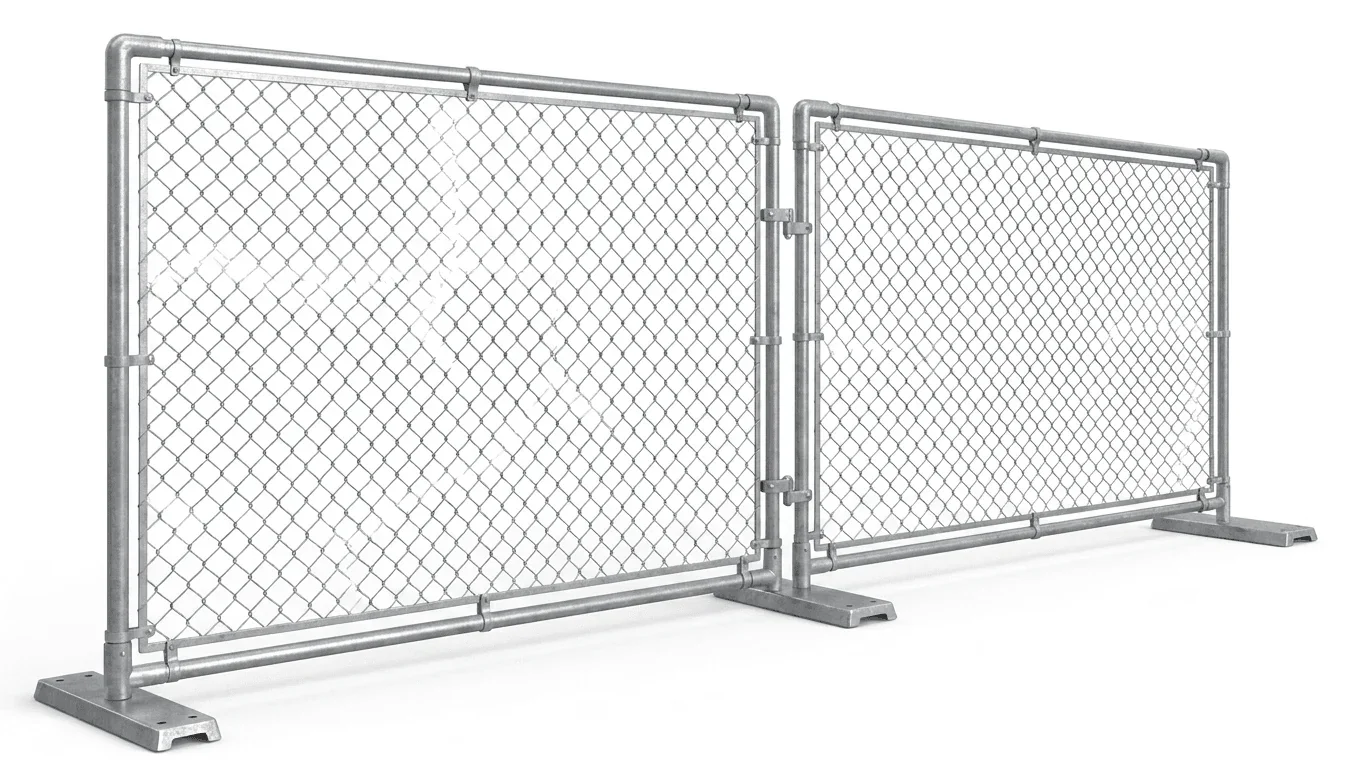
- Identify clear zones for gate swings and staging. In mixed-use industrial areas, leave sightlines at intersections so forklifts and service vehicles can see beyond fence corners.
- For short-duration interior projects in large facilities, barricades that sit below the task may better define lift work zones without drilling into floors.
Surface, wind, and snow considerations
- Surfaces vary from clean slabs to uneven gravel near lakefront sites. Panel bases and site-stability factors should account for high humidity and gusty conditions that can push tall runs.
- Snow removal paths need breaks or offsets so plows don’t drive into feet. Plan where accumulated piles will sit without collapsing lines.
Coordination with aerial and material handling
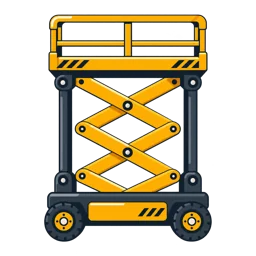
- If fencing protects an exterior façade project on older buildings, leave pad access for a rough-terrain scissor lift or articulating boom to approach without tight turns.
- For indoor maintenance in healthcare or institutional spaces, low-profile barricades can establish buffer zones for vertical mast lifts while keeping corridors open.
Wayfinding and lighting
- Night work near distribution traffic often benefits from linking barricade lines with light towers to mark routes and staging.
- Reflective markings at gate edges help in snow glare and mist.
Actual conditions, the selected unit’s instructions, and site procedures govern exterior or elevated work and barrier placement.