Map the power or light path
- Can the generator or tower sit below the task, or must it be adjacent? Long cable or light runs across active routes in local distribution buildings often cross dock doors and forklift aisles. Plan routing that avoids pinch points and overhead obstructions.
- What surface supports the unit? Outdoor lots on industrial sites may be plowed but uneven; thaw–freeze cycles can leave soft patches that affect leveling and mast stability.
- How will refueling or battery swaps occur? In cold snaps, turnaround locations should be close to sheltered access so crews aren’t stuck staging on icy ground.
Generator selection factors in the regional climate
- Weather exposure: Cleveland’s lake-effect moisture can drive water toward vents and connectors. Weather-resistant enclosures and protected cable connections help keep power consistent for indoor maintenance in healthcare or warehouse spaces.
- Load characteristics: Tools and temporary heat may cycle heavily at start-up. If lifts, chargers, or site lighting are on the same circuit, note the combined surge and distance to avoid voltage drop.
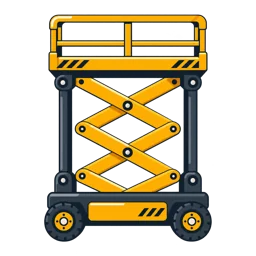
- Access route: If the generator must cross curbs or compacted snow to reach an exterior wall, confirm the tow vehicle path and turning radius. For indoor-only power in clean floors, consider whether an outlet and an electric scissor lift reduce the need for a larger unit.
Light tower planning around Cleveland winters
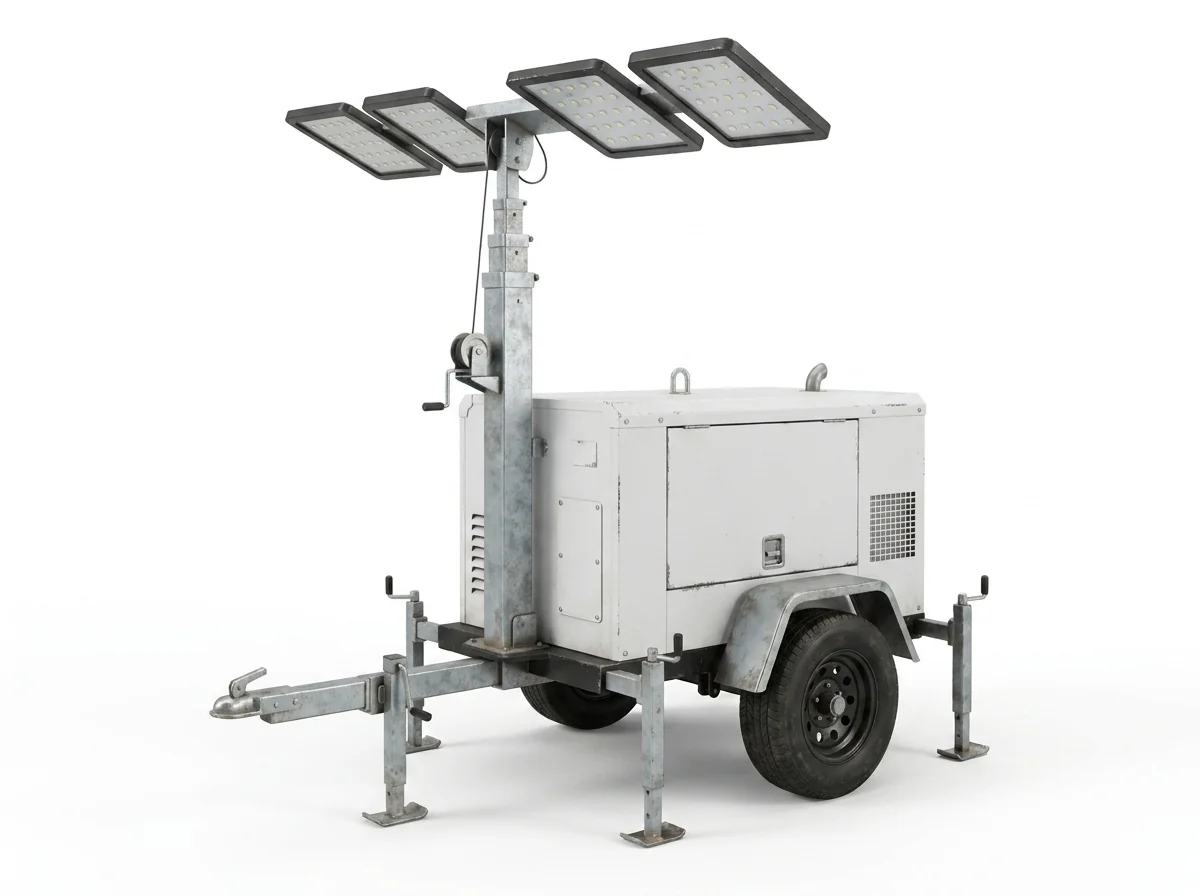
- Throw and glare: In shipping yards and exterior maintenance areas, drifting snow and mist can create backscatter. A tower with adjustable mast height and aiming reduces glare into active lanes.
- Footing and leveling: Rough, frozen gravel and plow berms can prevent proper setup. Confirm a level pad or plan minor grading before night work.
- Noise and neighbors: Night work near mixed-use blocks may need quieter packages or different placement to shield sound while keeping routes illuminated.
Coordination with aerial access
- If exterior elevations require work above dock canopies, a rough-terrain scissor lift or boom lift may share the same pad as a tower. Validate that both can stabilize without crowding.
- For indoor facility tasks, pairing fixed power with an electric scissor lift limits exhaust and heat buildup.
Actual site conditions, unit instructions, and procedures govern placement and setup for exterior or elevated work.