Route and aisle drive the class
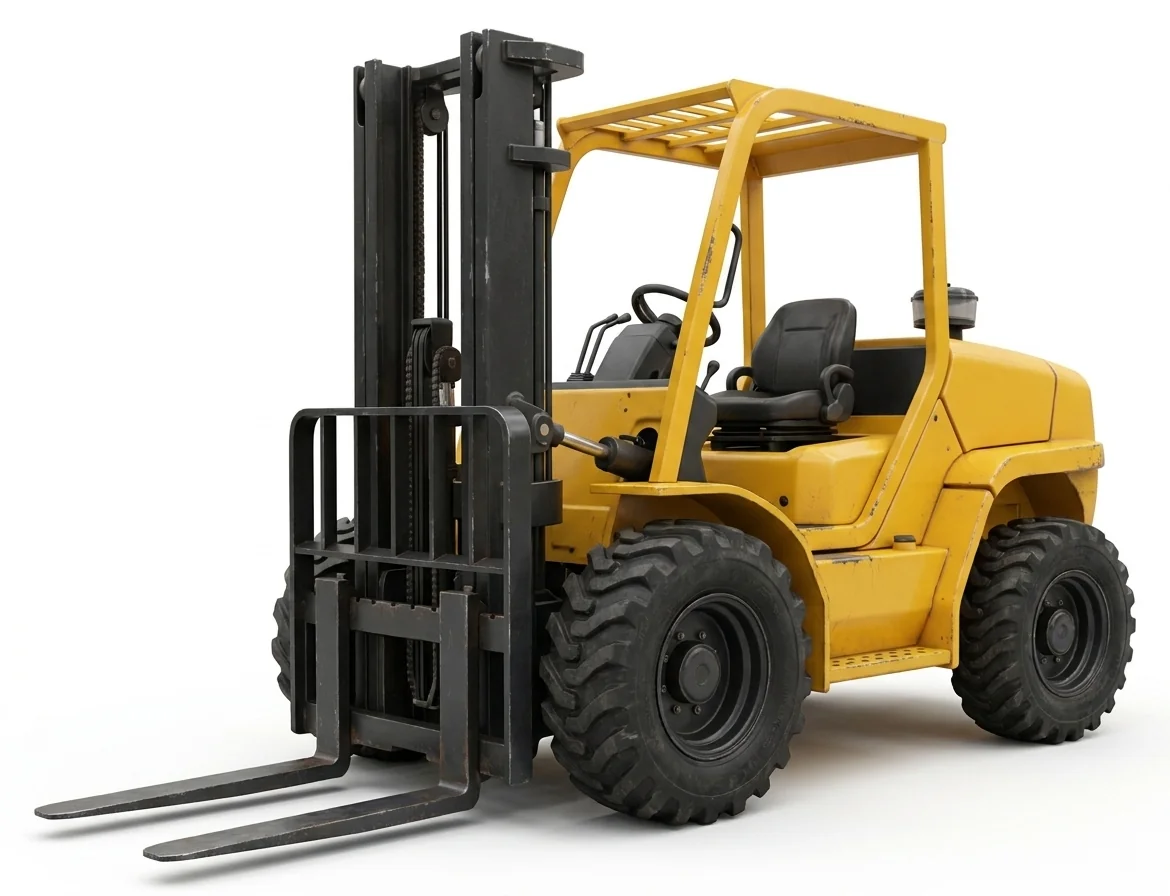
Measure the tightest aisle and turning radius from staging to the set-down point. For local distribution buildings with dense racking, a smaller chassis and tight-turn class may be mandatory. In manufacturing retrofits, mixed clearances and occasional outdoor transitions suggest pneumatic-tire or cushion-pneumatic hybrids, depending on the surface.
Key checks: - Door and elevator heights vs. mast collapsed height. - Aisle width vs. truck length with load. - Ramp grades at docks and transitions to exterior aprons.
Floor and surface conditions in regional climate
High winter humidity and tracked-in moisture can leave interior slabs slick. Older floors may include patches, joints, or coatings that affect traction and load stability. Cushion tires suit smooth indoor slabs; pneumatic options handle rougher surfaces or limited exterior runs between bays. The site’s procedures and the truck’s guidance govern limits on grades and surfaces.
Load, mast, and attachment implications
- Load dimensions vs. capacity at the load center you actually use.
- Mast stage for the highest rack position and any overhead obstructions.
- Carriage width for pallet types common in local facilities.
When another lift fits better
- Elevated placements beyond standard mast reach? See /telehandler-rental/.
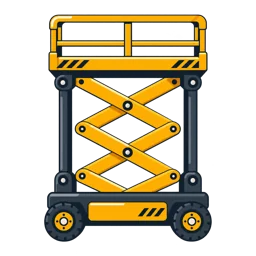
- Overhead maintenance with personnel at height? Compare /electric-scissor-lift-rental/ or /articulating-boom-lift-rental/.
Cleveland use patterns
Warehousing growth has tightened aisles and increased turn frequency, while older plants retain uneven thresholds and dock geometry. Plan for repeated transitions from cold dock doors to warmer interiors; condensation can change traction across a single shift.