Placement and approach
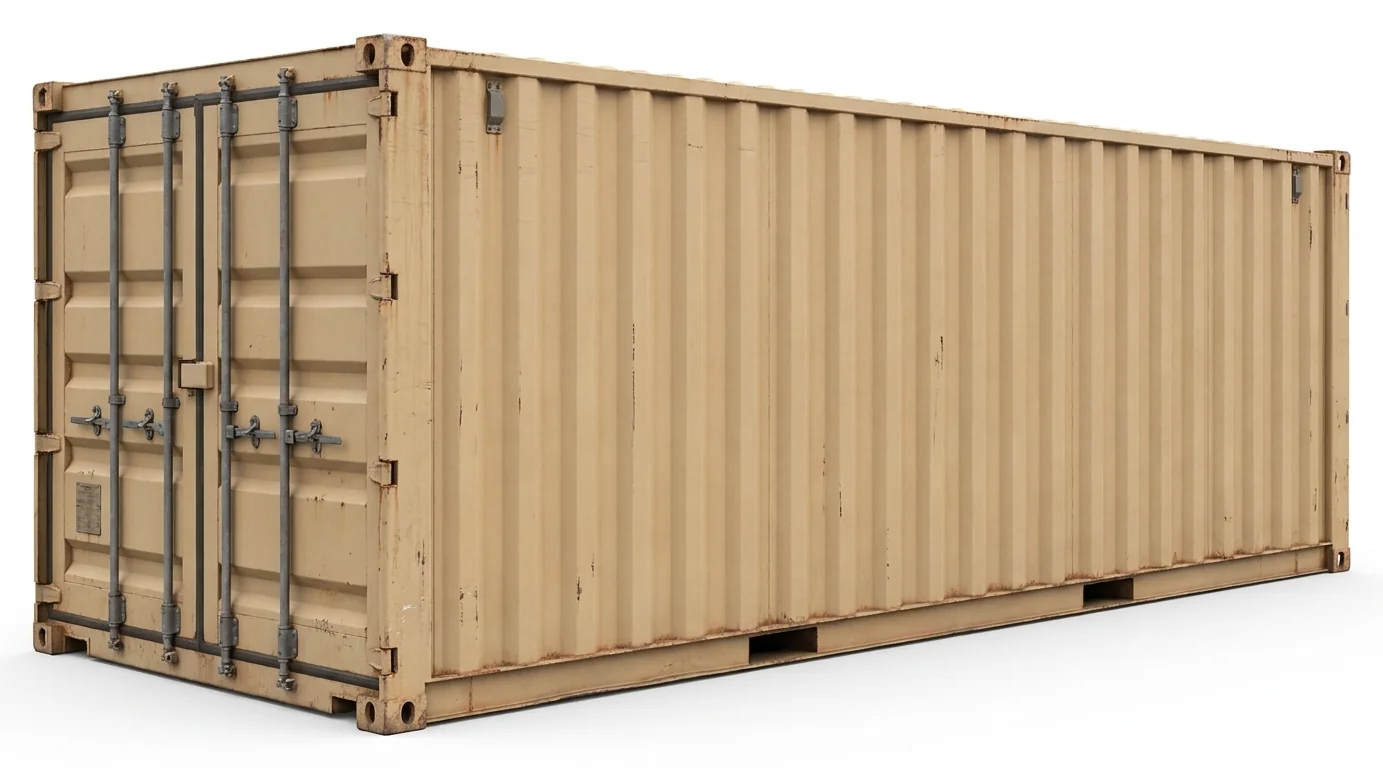
- Can trucks back straight to the set location, or is there a tight turn between buildings? Measure gate widths, overhead obstructions, and any slope to avoid setting a box where doors rack under load.
- Daily access pattern: High-frequency picks for parts in advanced manufacturing work better with door-side clearance and a hard apron. Infrequent access can tolerate a more remote corner of the yard.
Surface and drainage in regional weather
- Ground prep: Freeze–thaw and plow activity can heave or rut surfaces. A compacted, level base with drainage away from door thresholds reduces binding and water intrusion.
- Snow management: Leave room to clear berms without trapping the doors. If placed near loading docks, ensure plows won’t pile snow against hinges or vents.
Fit-out for the job
- Size and layout: Match interior length to the longest commodity or tool carts. Racking height should consider the reach of forklifts or pallet jacks available on site.
- Security and visibility: Night work around distribution yards may call for proximity to light towers to deter tampering while keeping aisles lit.
Coordination with lifts and site flow
- If the container feeds parts to elevated work, set it so a vertical mast lift or electric scissor lift can stage nearby without blocking emergency routes.
- For exterior façade repairs on aging building stock, keep containers outside rough-terrain paths so a telehandler can shuttle materials without tight reversing.
Actual conditions, unit instructions, and site procedures govern exterior staging and elevated work around containers.